

AI in Photography: A Useful Tool, But Where Do We Draw the Line?
AI in Photography: A Useful Tool, But Where Do We Draw the Line?
Artificial intelligence is changing photography. Whether we like it or not, AI is now part of the photographic world, appearing in cameras, editing software and noise-reduction tools. Used responsibly, I believe AI has a genuine and valuable place in photography.
But there is an important question that I think photographers need to ask themselves:
At what point does a photograph stop being a photograph?
For me, the answer comes down to honesty, authenticity and transparency.
I Use AI in My Own Photography
I want to be completely open about this: I use AI-assisted technology in my own photographic workflow.
One of the main ways I use it is for noise reduction, particularly with wildlife photographs. Wildlife photography often means working in difficult conditions. Animals don't always appear in perfect light, and you can't simply ask an owl, deer or red squirrel to wait while you adjust the lighting.
Sometimes you have to increase your ISO to achieve a fast enough shutter speed, and that inevitably introduces digital noise into the image.
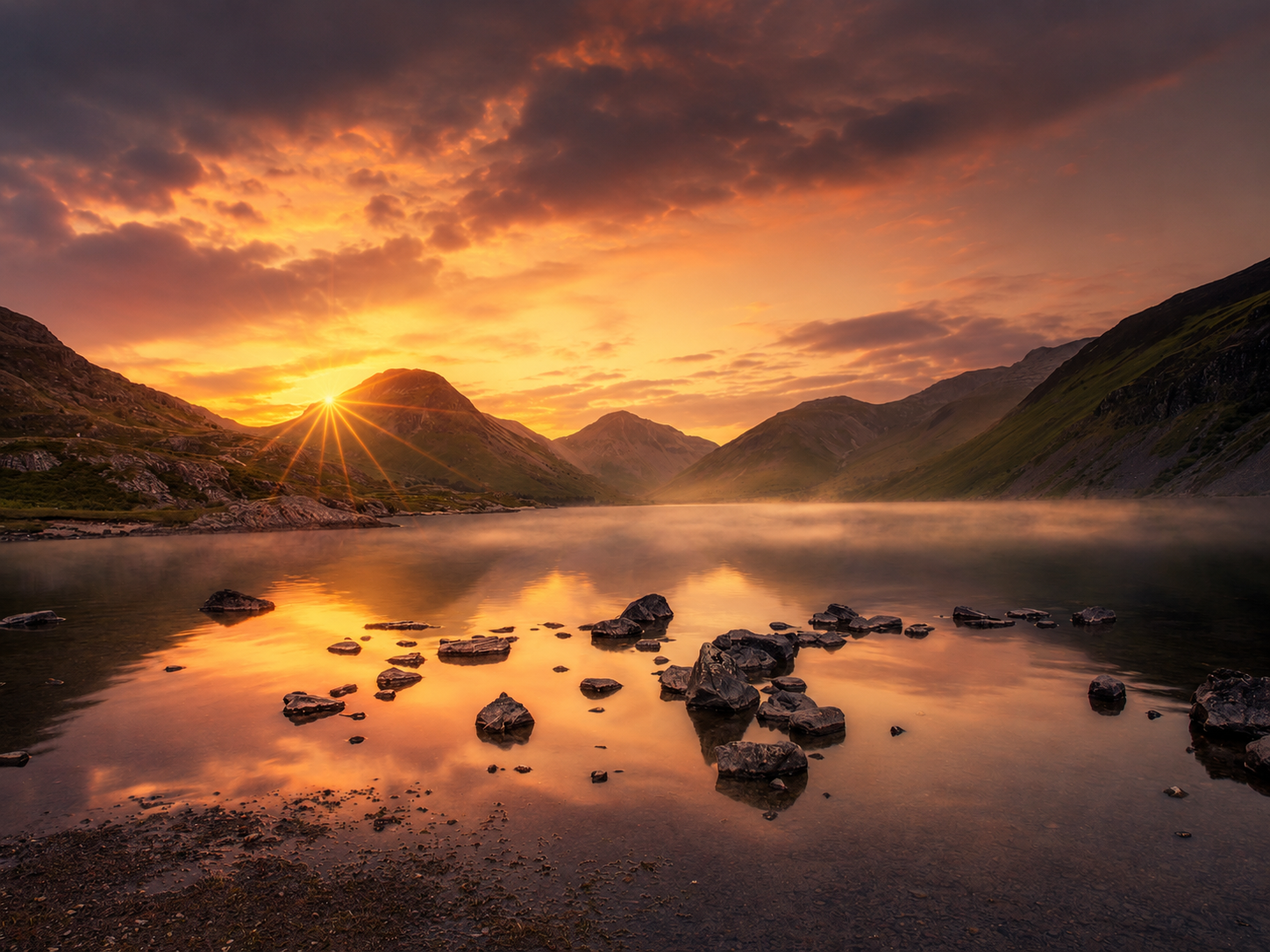
Real or AI? Check out the bottom of the page for the answer
Modern AI-powered noise-reduction software can analyse an image and reduce that noise while preserving much of the important detail. For me, that's an incredibly useful tool. The photograph itself is still mine. I was there. I found the subject, chose the composition, selected the camera settings and pressed the shutter.
The AI hasn't invented the animal, changed the location or created a moment that never happened. It has simply helped me overcome a technical limitation of the camera.
To me, that's no different in principle from the darkroom techniques photographers have used for generations to improve exposure, contrast and sharpness.
But Creating an Entirely New Image Is Something Different
Where I believe we enter much more questionable territory is when AI is used to generate a completely new image from scratch — particularly when that image is then presented to the public as genuine photography without any acknowledgement that it was created by artificial intelligence.
There is nothing inherently wrong with AI-generated art. It can be imaginative, creative and visually stunning. But I don't believe an AI-generated image should be passed off as a photograph captured by a photographer.
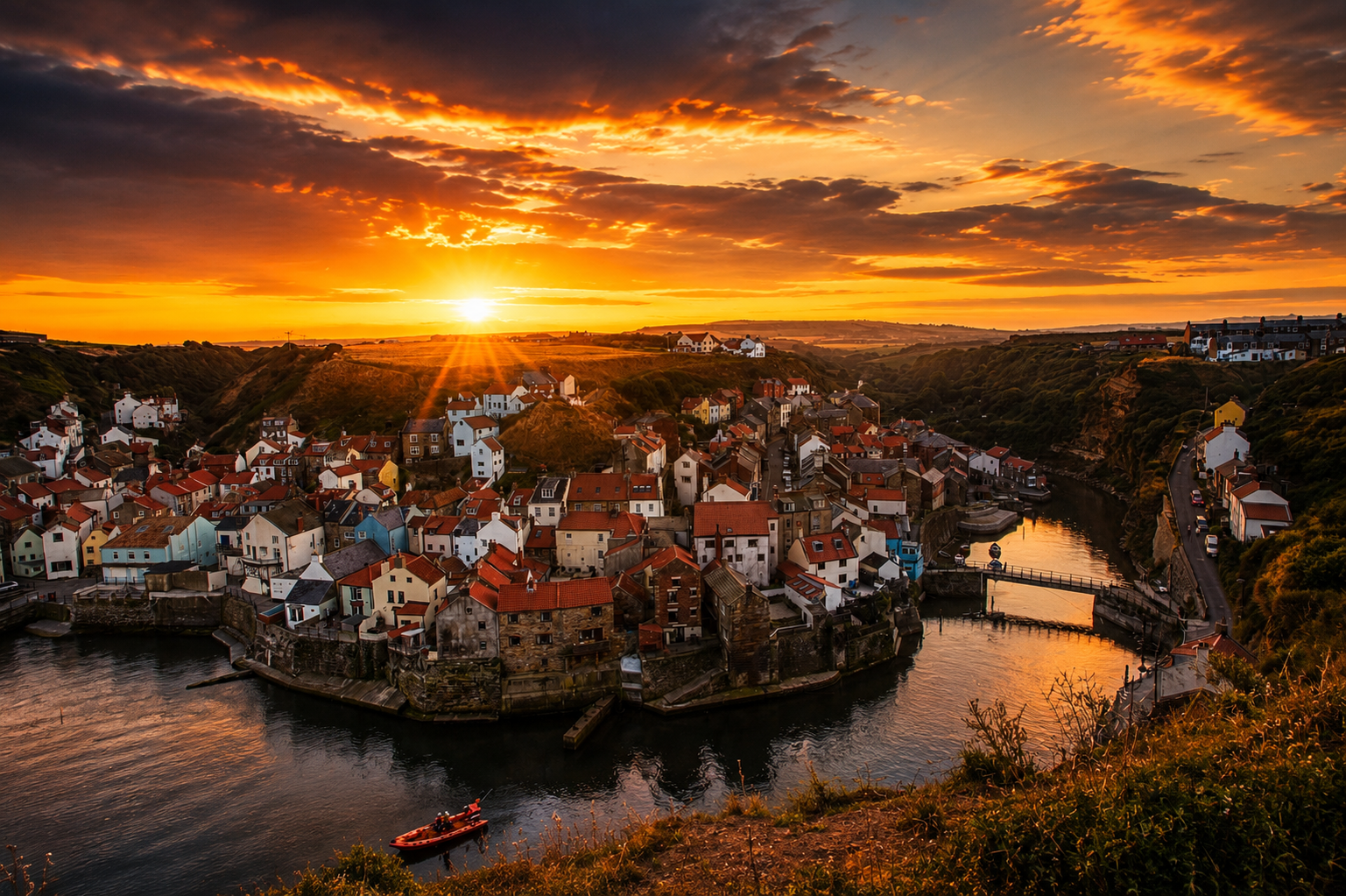
Real or AI?
If someone types a description into an AI image generator and receives a finished image of a dramatic mountain landscape, an extraordinary wild animal or a spectacular sunset that never actually existed, that is not photography in the traditional sense.
It may be digital art. It may be AI art. It may involve creativity and skill in developing the prompt. But it isn't the same as standing on a freezing hillside before sunrise, waiting hours for a wild animal to appear or returning to the same location time and again in the hope that the conditions finally come together.
And there is absolutely nothing wrong with calling it AI art.
The problem begins when you don't.
Authenticity Matters
Photography has always had a unique relationship with reality. A photograph traditionally tells the viewer:
I was there. This happened. This existed in front of my camera.
Of course, photography has never been completely objective. Photographers choose where to stand, what lens to use, what to include in the frame and how to process the final image. Editing has existed since the earliest days of photography.
But there is still a fundamental difference between enhancing a scene that was genuinely photographed and creating one that never existed at all.
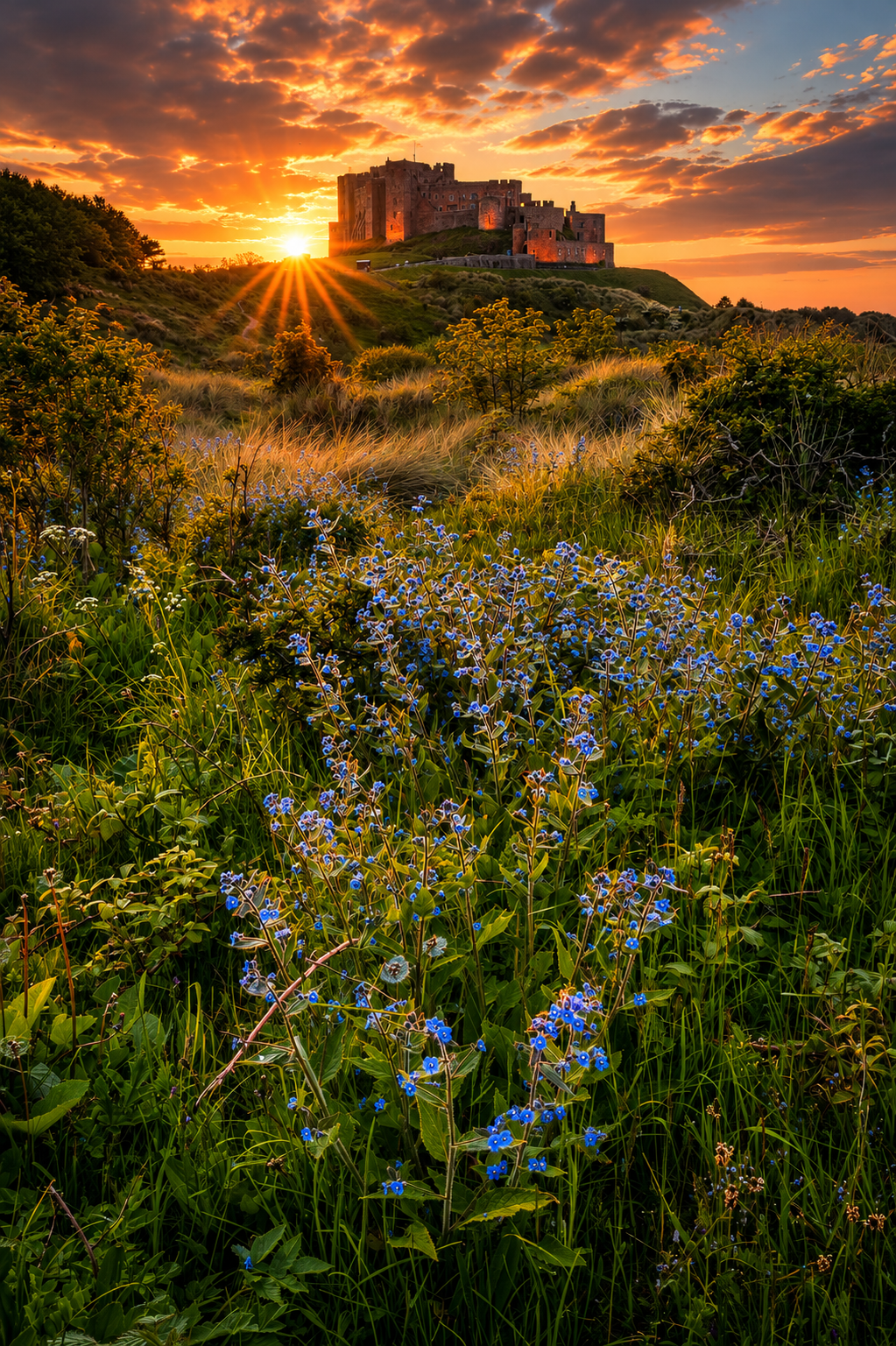
Real or AI
For landscape and wildlife photographers in particular, authenticity matters enormously.
When someone looks at one of my photographs of the Northumberland coast or a wild animal, I want them to know that I was actually there. The location existed. The animal was genuinely in front of my camera. The light and weather were real.
I may adjust exposure, contrast and colour. I may crop an image or use AI-assisted noise reduction. But the fundamental moment actually happened.
One Undisclosed AI Image Can Cast Doubt Over an Entire Portfolio
This is perhaps my biggest concern.
If a photographer presents a completely AI-generated image as their own genuine photography, and it's later discovered that the image was artificially created, what does that say about the rest of their work?
Suddenly, every spectacular photograph in their portfolio becomes open to question.
Was that incredible wildlife encounter real?
Did that extraordinary sunset actually happen?
Was that dramatic landscape genuinely photographed?
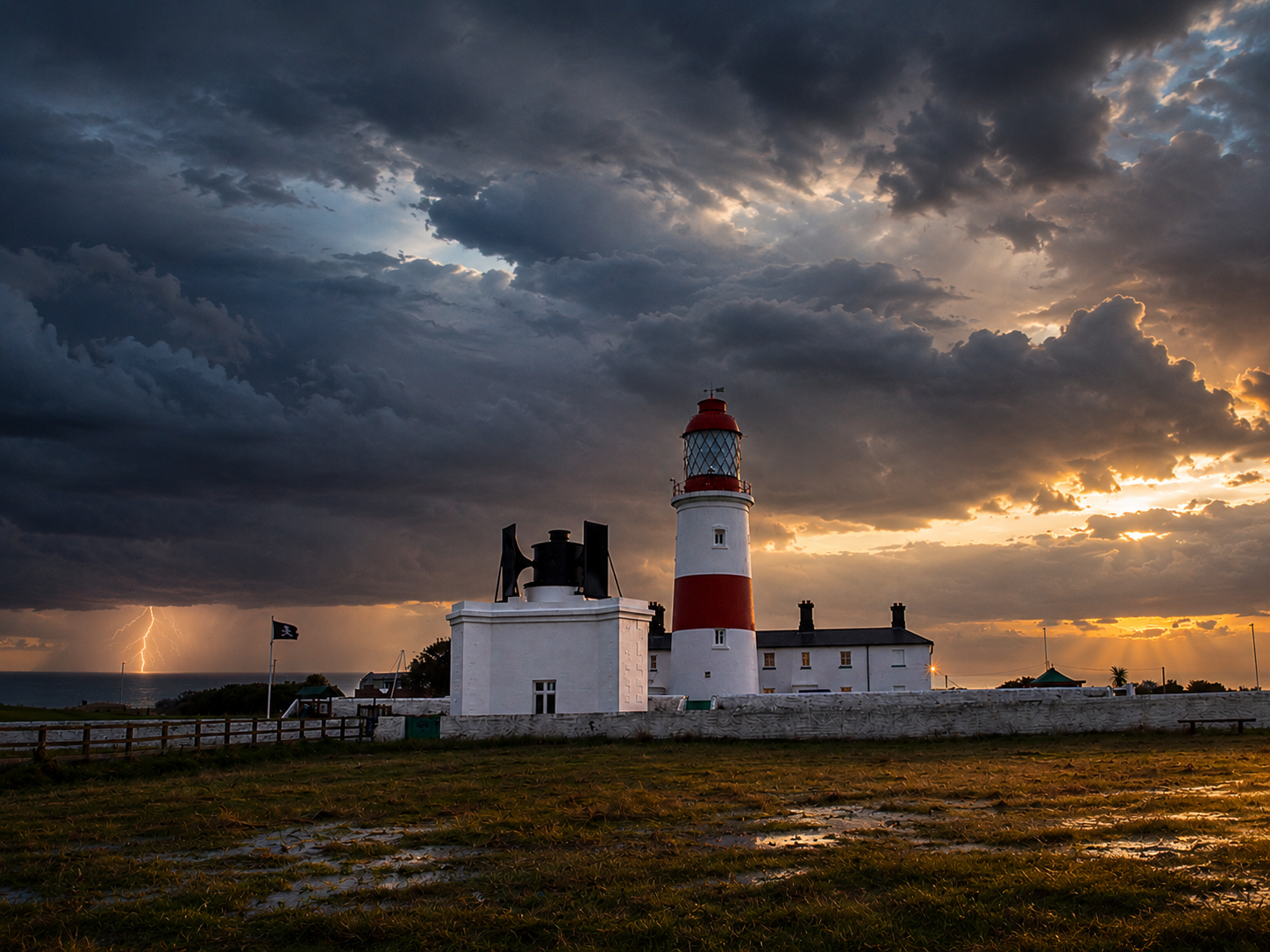
Real or AI
Or was it generated on a computer?
Trust is difficult to earn and remarkably easy to lose. Once a photographer has knowingly presented an artificial creation as a genuine photograph, I believe it inevitably casts a shadow over the authenticity of everything else they produce.
For a professional photographer, reputation is everything. Customers aren't simply buying pixels on a screen or ink on paper. They're buying a connection to a genuine place, moment or experience.
That authenticity has value.
The Difference Is Transparency
I don't believe this needs to become an argument between those who support AI and those who oppose it. AI isn't going away, and there are many genuinely useful ways it can help photographers.
The issue is transparency.
If you create an image entirely with AI, say so.
Call it AI-generated art. Call it digital art. Explain how it was made. Be proud of the creative process if that's what you enjoy doing.
But don't present something that never existed as a photograph you personally captured.
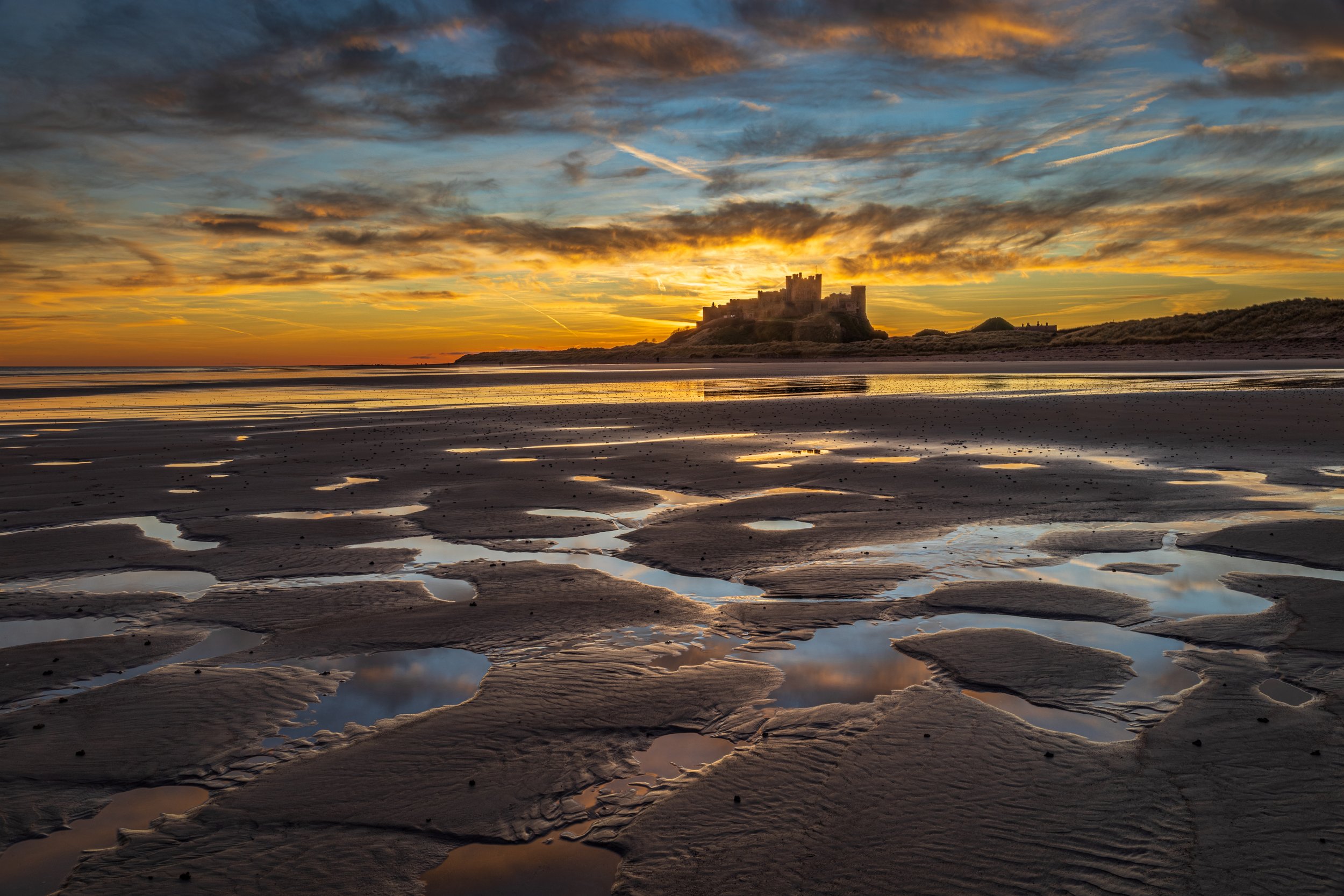
Real or AI
For me, the distinction is quite simple:
AI used to enhance a genuine photograph is a tool. AI used to create an entirely fictional image is a different creative medium.
Both can have artistic value, but they shouldn't be confused with one another.
Where I Draw the Line
Photography has always evolved. We moved from glass plates to film, from film to digital cameras, and from traditional darkrooms to software such as Photoshop. Every technological change has brought debate about what counts as a genuine photograph.
I don't believe using modern tools somehow makes a photographer less authentic. I use digital cameras. I edit my images. I use AI-assisted noise reduction when it helps me produce a cleaner wildlife photograph.
But the foundation of every photograph I call my own is a real moment that I genuinely witnessed and captured with my camera.
That's where I draw the line.
For me, photography isn't simply about creating a beautiful image. It's about being there. It's about waiting, observing, exploring and occasionally being lucky enough to witness something extraordinary.
AI can help me make the most of the photographs I capture.
But it can't replace the experience of capturing them.
And if an image was never actually photographed, I believe we should be honest enough to say so.
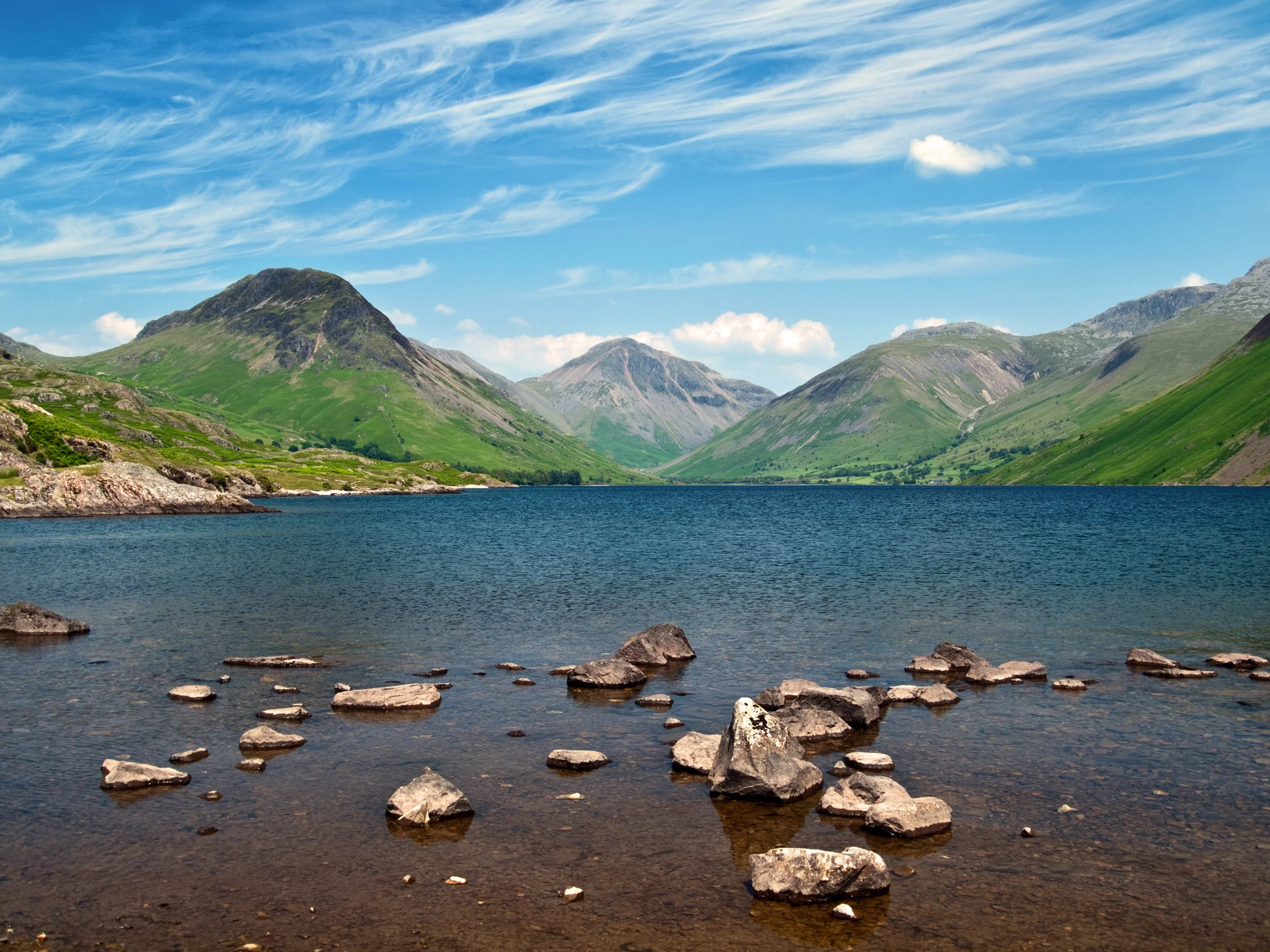
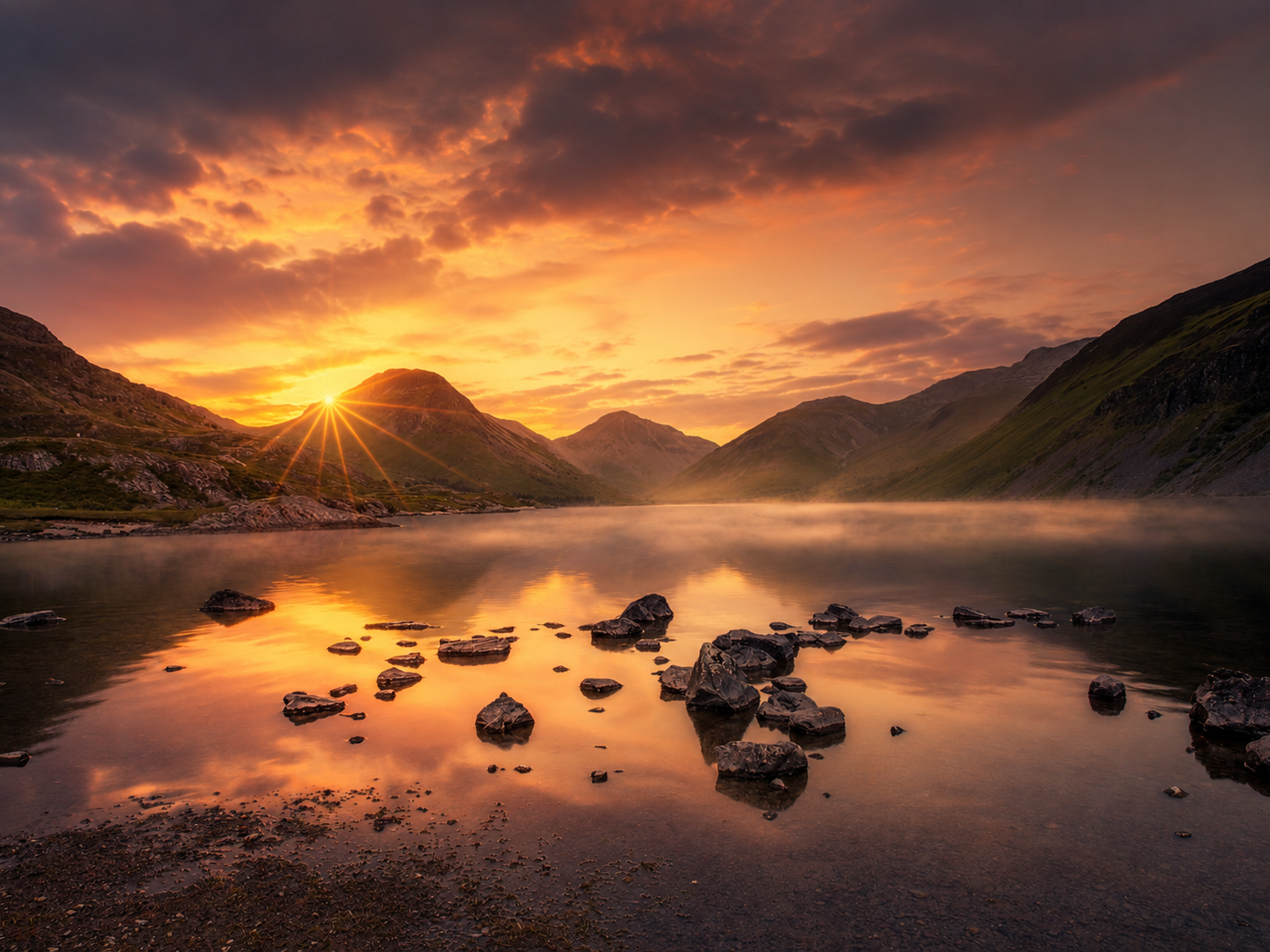
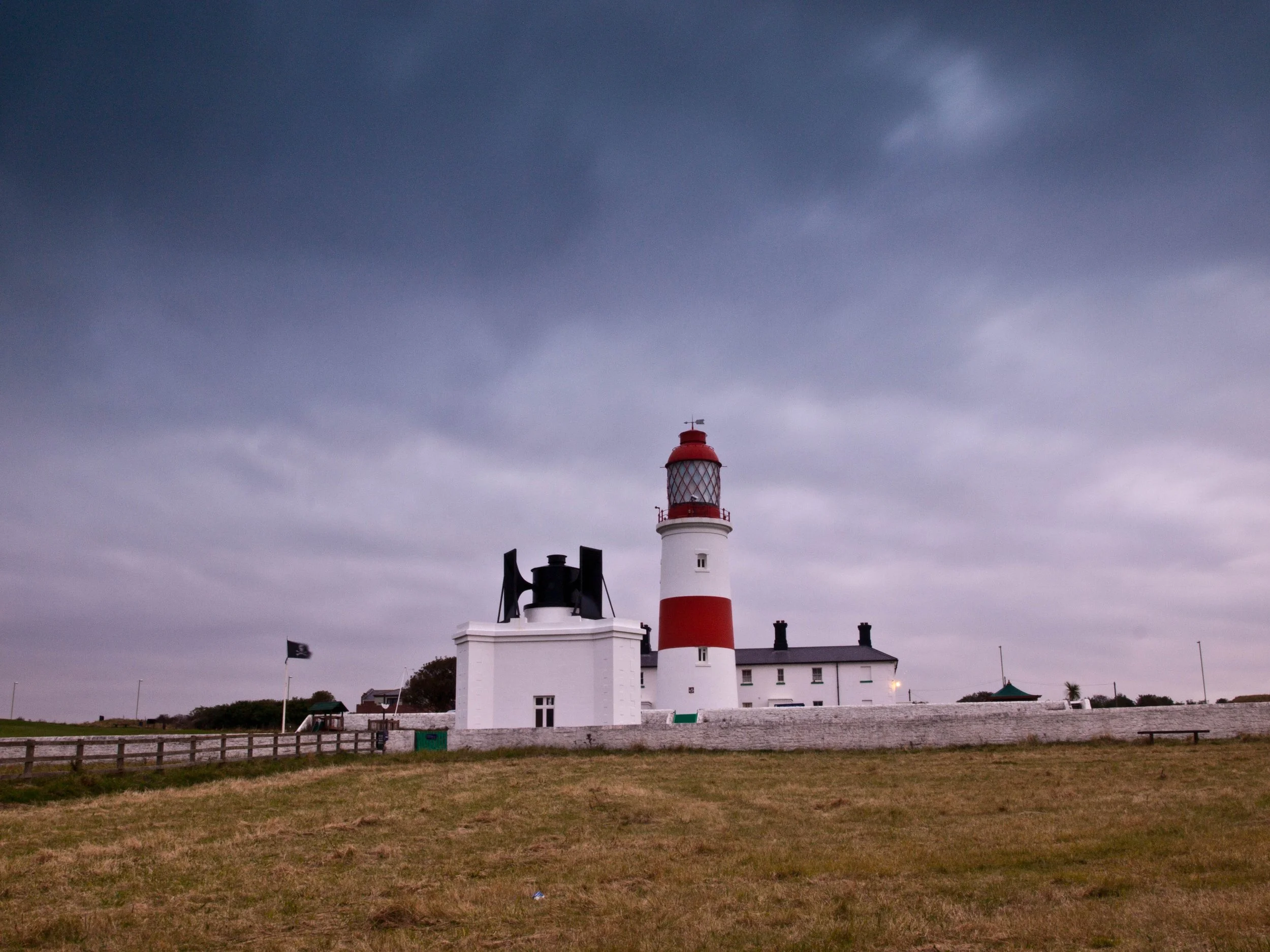
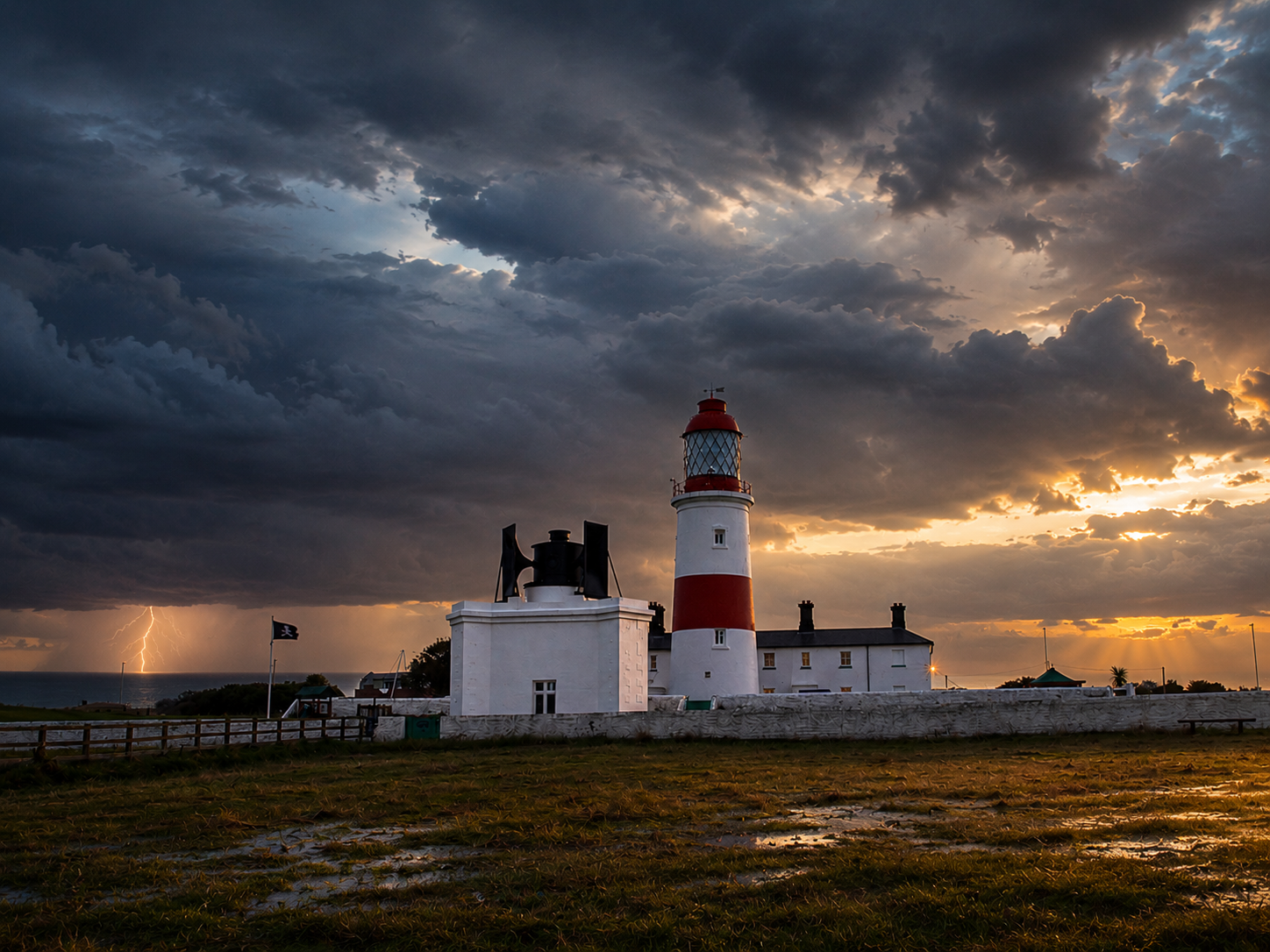
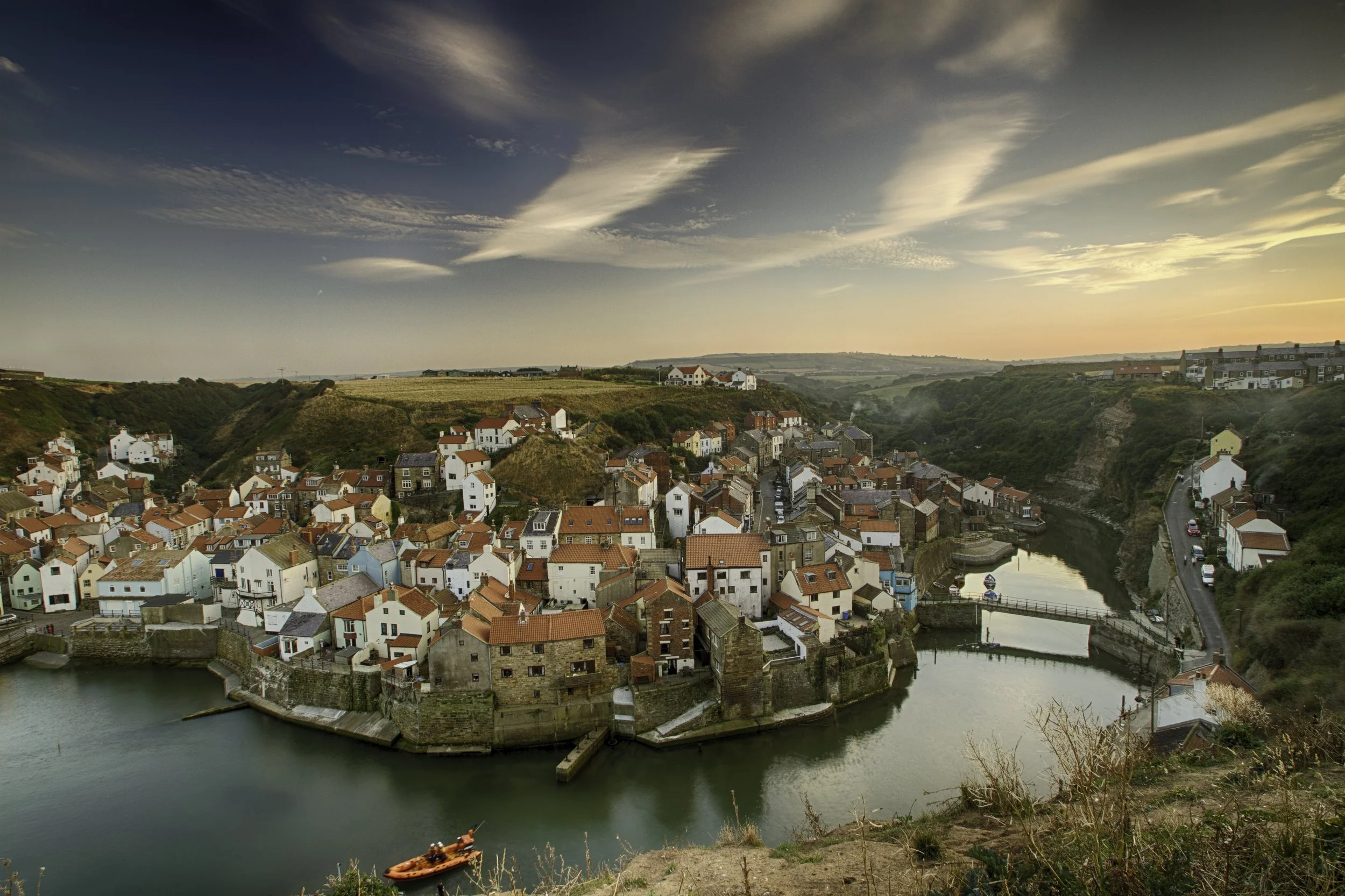
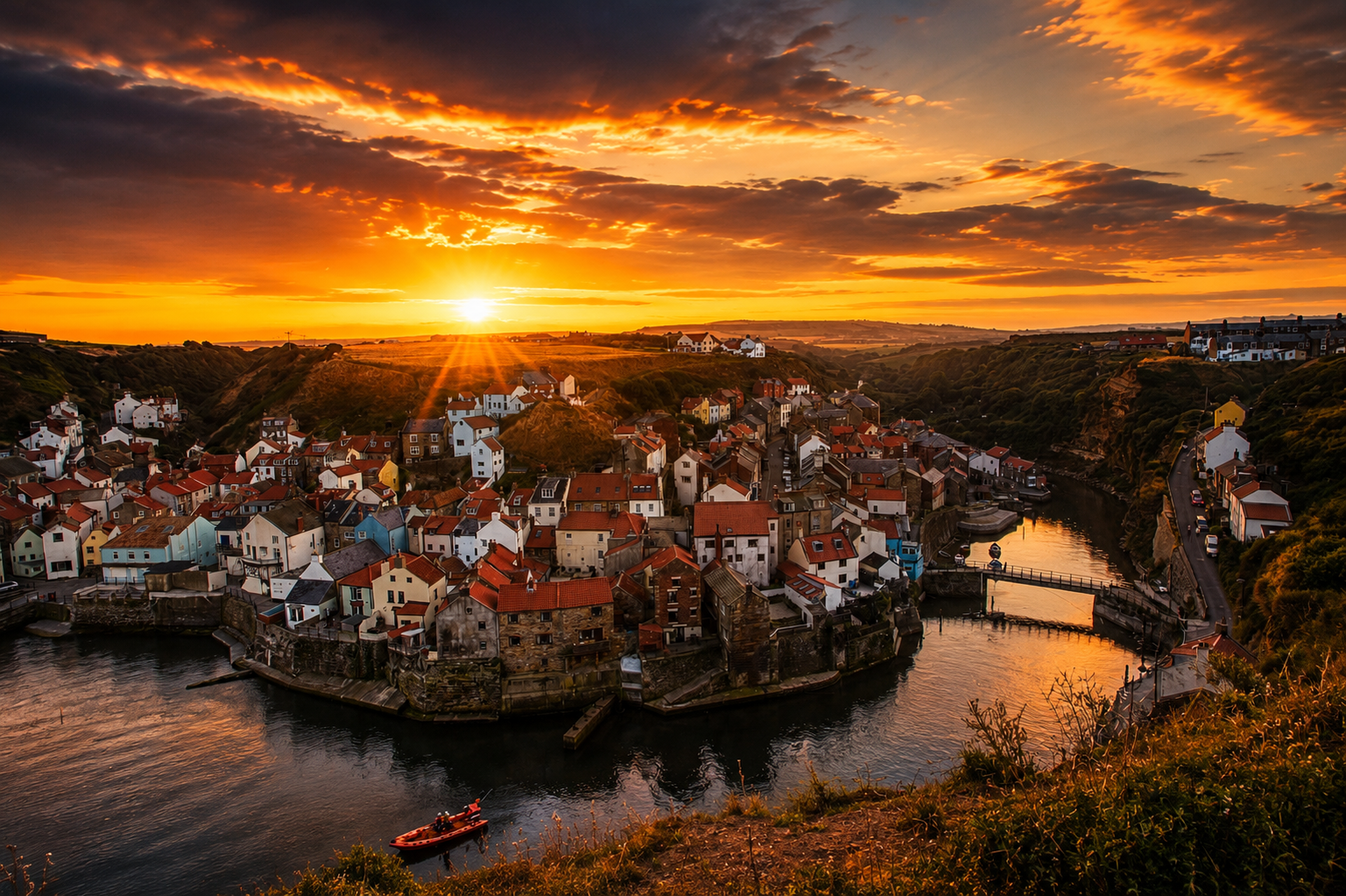
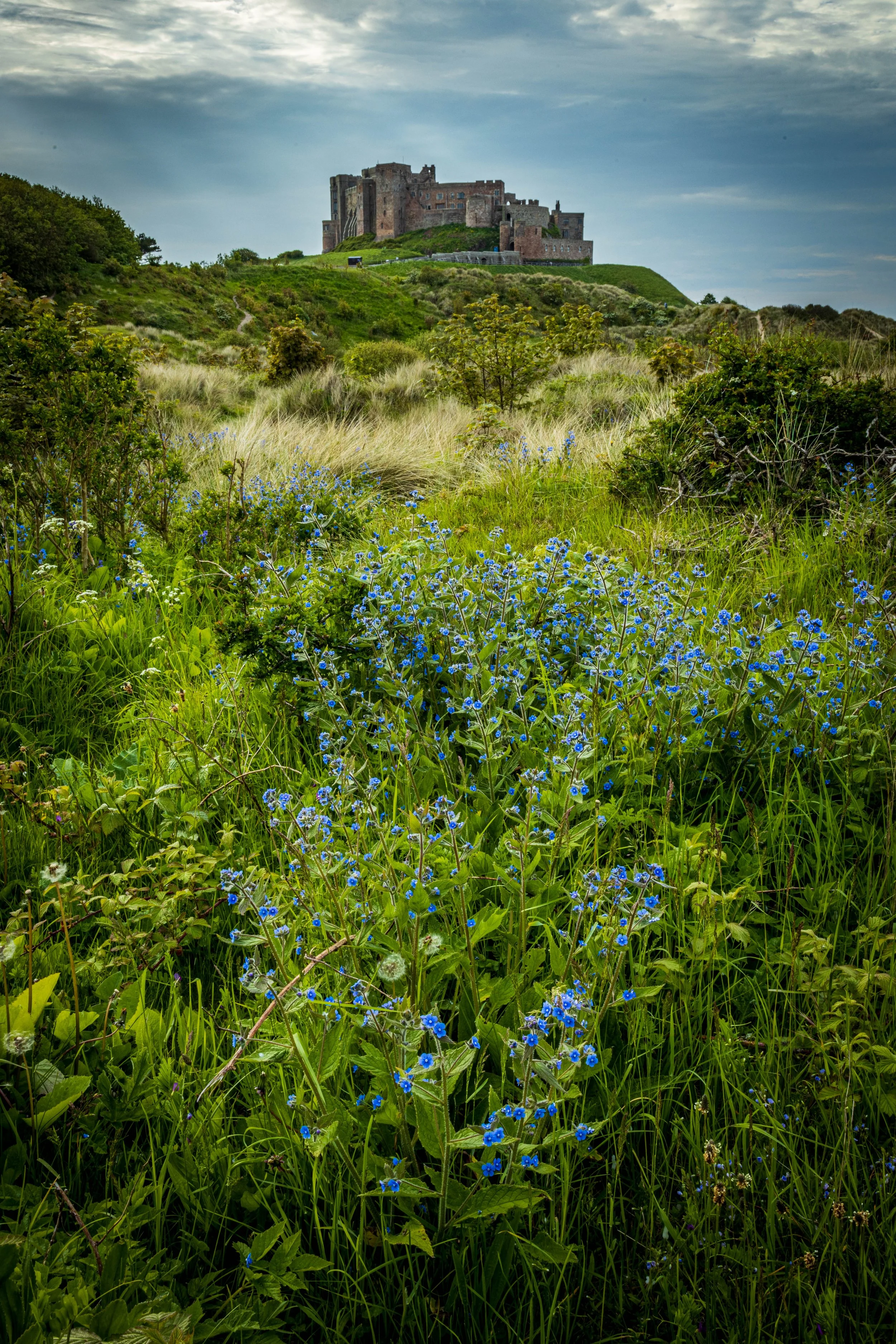
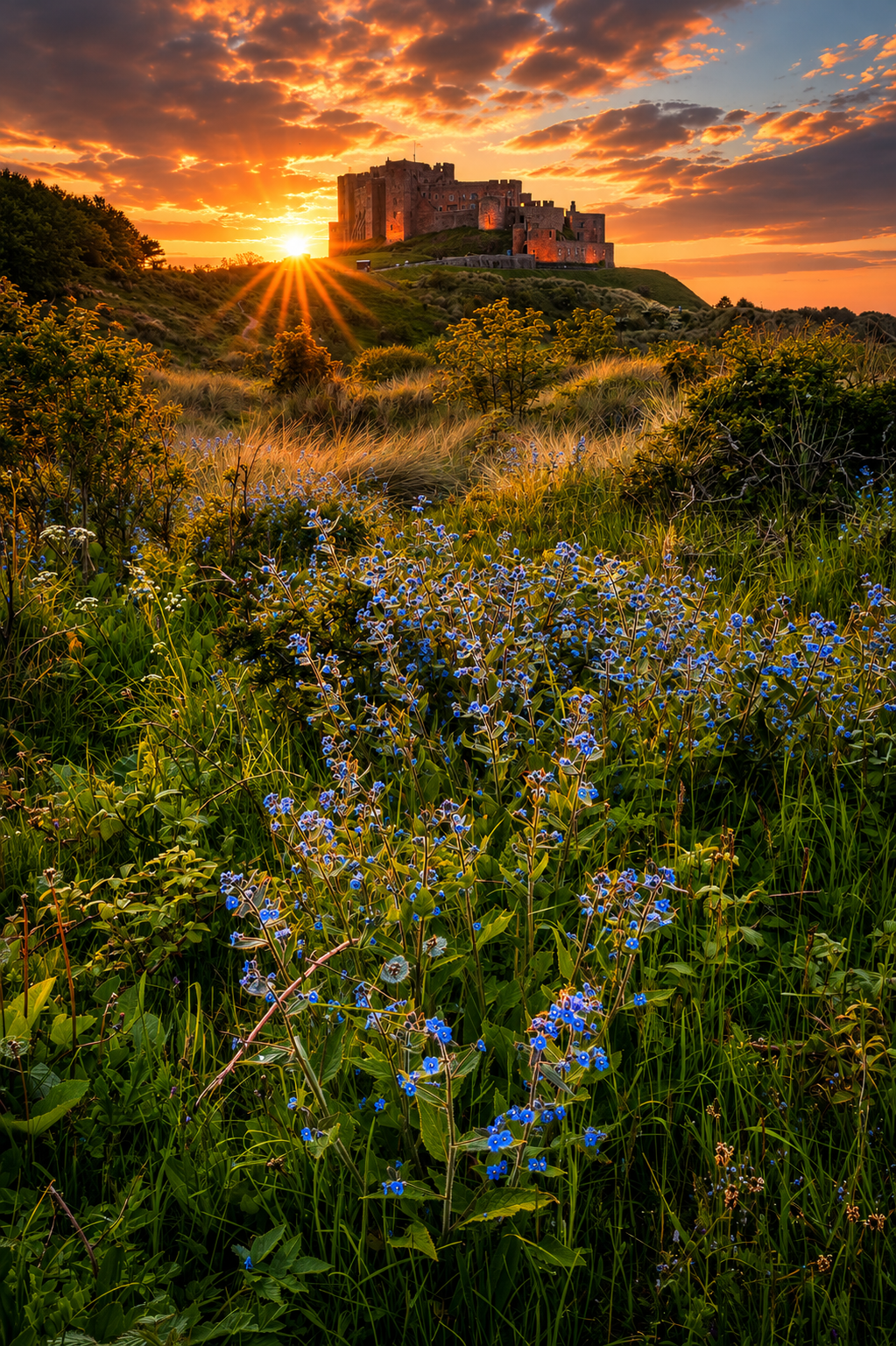
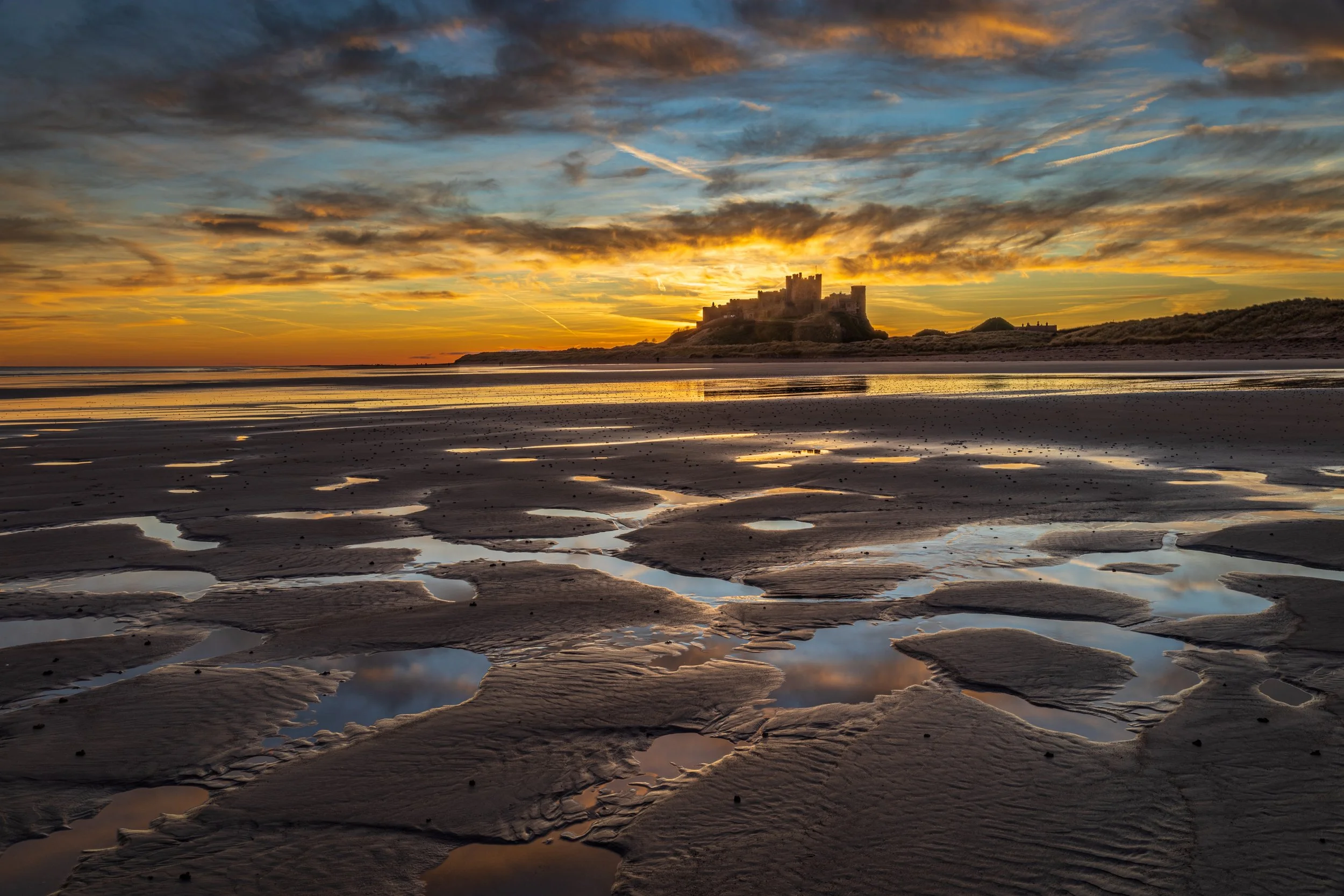
The real or original images are on the right hand side, with the exception of the final image which is a genuine photo I took. All the AI images were generated with specific prompts in Chat GPT.
Richard B Knapper
Snapper Photography
#Photography #AIPhotography #PhotographyEthics #ArtificialIntelligence #AuthenticPhotography #WildlifePhotography #LandscapePhotography #PhotoEditing #DigitalPhotography #PhotographyDiscussion #SnapperPhotography #NorthEastPhotography #NorthumberlandPhotography