

Street Photography Law UK: Is It Legal to Photograph People in Public?
Street Photography Law UK: Is It Legal to Photograph People in Public?
Street photography captures real life as it unfolds — candid moments, atmosphere, and everyday stories. But one of the most common questions photographers and members of the public ask is:
Is street photography legal in the UK?
If you’ve ever wondered about UK photography rights in public places, this guide explains the legalities of street photography in the UK — plus the ethical considerations every responsible photographer should understand.
Is Street Photography Legal in the UK?
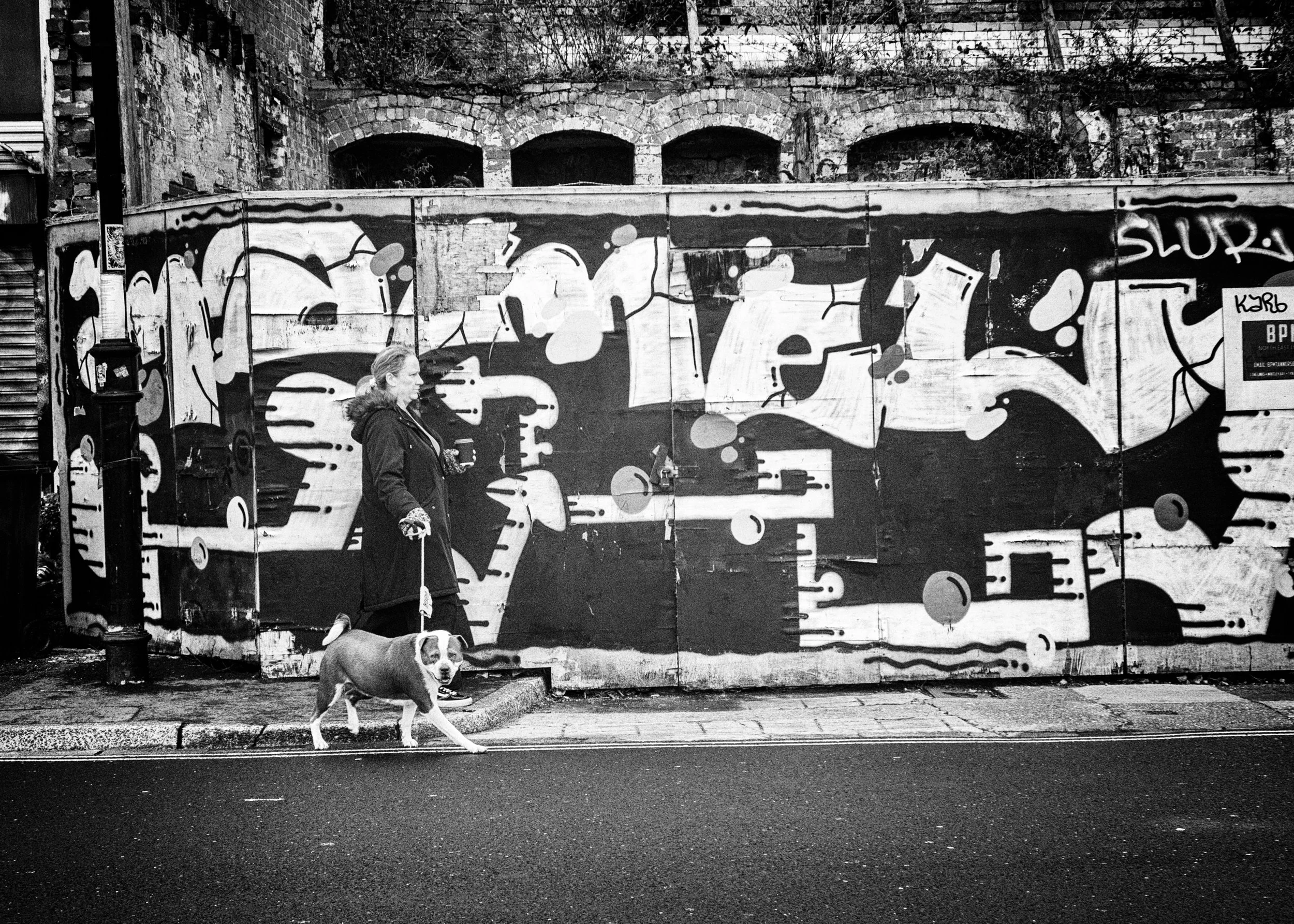
Yes — street photography is legal in the UK.
Under UK law, there is no general right to privacy in a public place. This means that if someone is in a public space — such as a street, park, beach, or town centre — they can legally be photographed.
You do not need permission to:
Photograph adults in public
Capture crowds at public events
Photograph buildings or architecture
Take images of police officers carrying out their duties
This falls under freedom of expression, protected by the Human Rights Act 1998.
If you are searching “Can you photograph people in public UK?” — the answer is generally yes.
UK Photography Rights in Public Places
Photography laws in the UK allow members of the public to take photographs in public spaces without a permit.
The National Police Chiefs' Council states clearly:
“Members of the public and the media do not need a permit to film or photograph in public places.”
Police officers cannot delete your images or confiscate equipment without lawful authority. Security guards do not have the power to demand deletion of photographs.
However, they may ask you to stop photographing on private property (such as inside shopping centres), as different rules apply there.
Commercial Use vs Artistic Use: Do You Need a Model Release in the UK?
One of the biggest areas of confusion around street photography law in the UK is commercial usage.
If your photographs are taken for:
Artistic purposes
Documentary projects
Editorial use
Selling prints as artwork
You generally do not need a model release if the image was captured in a public place.
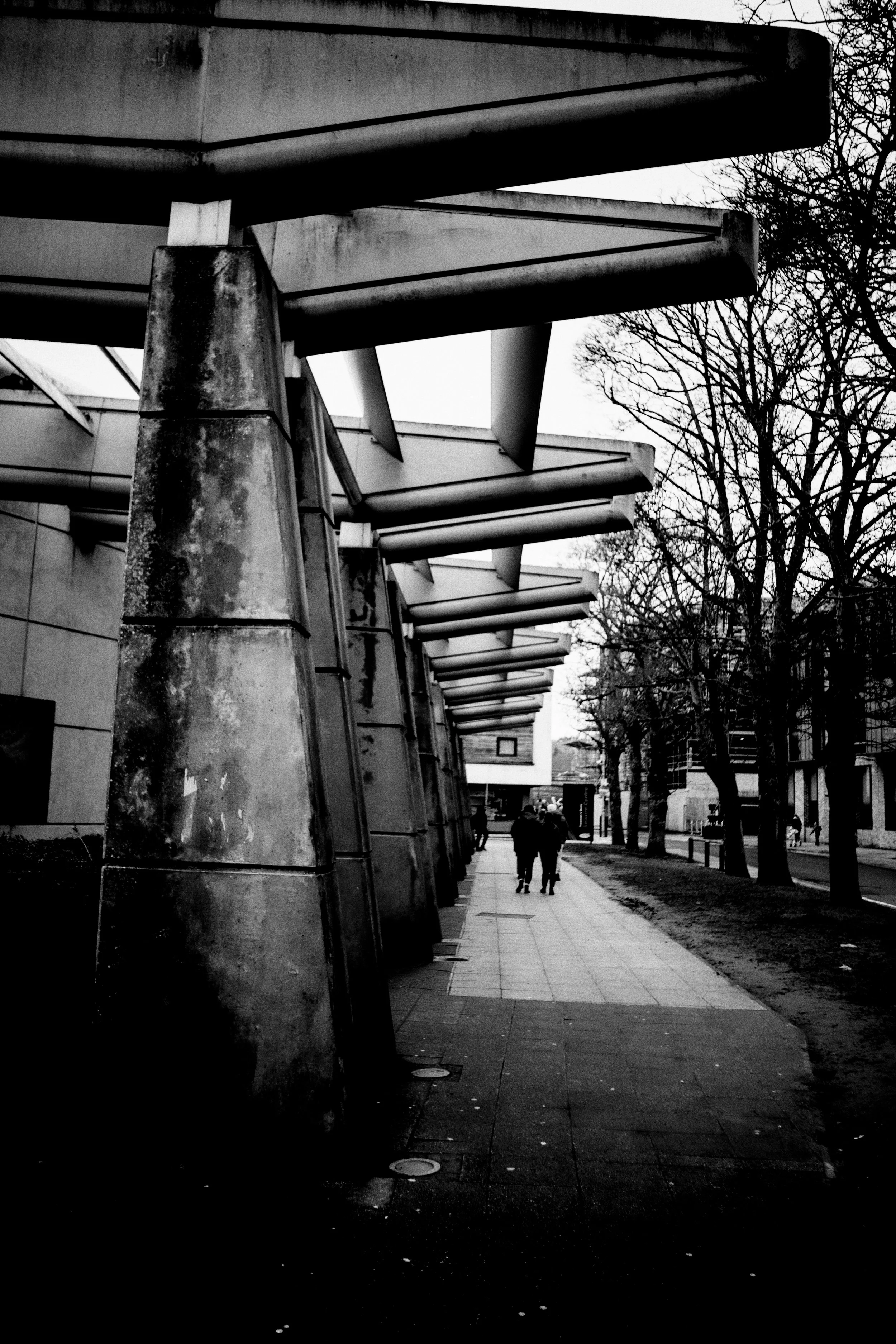
However, if the photograph is used to:
Advertise a product
Promote a business
Suggest endorsement
You will typically need a model release (UK photography law requirement for commercial advertising use).
Example:
Selling a framed street scene as wall art? Usually fine.
Using a stranger’s face to promote your photography services? Permission required.
GDPR and Photography UK: Does Data Protection Apply?
Another common search term is: “Does GDPR affect street photography in the UK?”
According to the Information Commissioner's Office, data protection law does not usually apply when photography is carried out for purely artistic purposes.
A photograph becomes a GDPR issue if:
It is used in a structured filing system
It is part of commercial data processing
It identifies individuals in a business database context
For most independent photographers creating art prints, GDPR is not typically a barrier — but transparency and professionalism are always advisable.
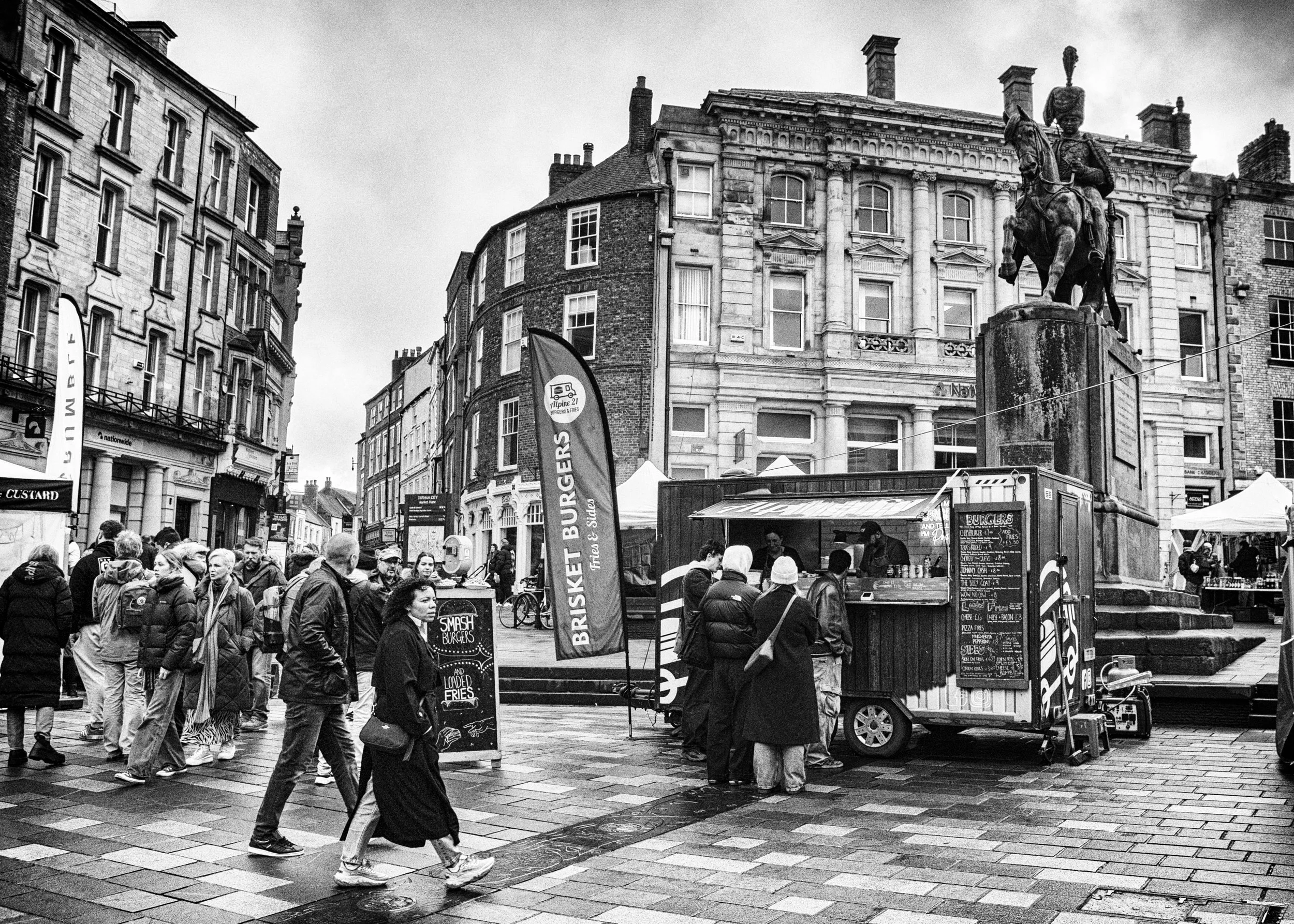
The Ethics of Street Photography in the UK
Understanding street photography law in the UK is essential — but ethical photography goes beyond legality.
Just because you can take a photograph doesn’t always mean you should.
Respect and Intent
Before pressing the shutter, consider:
Is this image respectful?
Would I be comfortable if this were me?
Does this image tell a story — or exploit someone?
Ethical street photography builds trust between photographers and the public.
Photographing Children in Public UK
It is legal to photograph children in public places in the UK. However, ethical best practice suggests:
Seek parental consent where possible
Avoid isolating a single child as the primary subject
Be especially mindful of context and safeguarding concerns
Public perception matters, particularly in today’s digital age.
Private Property vs Public Spaces
While UK photography laws protect your right to photograph in public, private property owners can set their own rules.
Examples of private spaces:
Shopping centres
Train stations
Museums
Event venues
Always check signage and comply with reasonable requests on private land.
Street Photography in Northumberland and the North East
Here in the North East — from Northumberland’s beaches to bustling market towns — candid photography can beautifully capture the spirit of a place.
At Snapper Photography, while the primary focus is landscape and wildlife photography in Northumberland, these same principles apply whenever people naturally enter the frame — whether it’s silhouettes on a beach at sunrise or walkers along a harbour wall.
The aim is always to celebrate the region respectfully and responsibly.
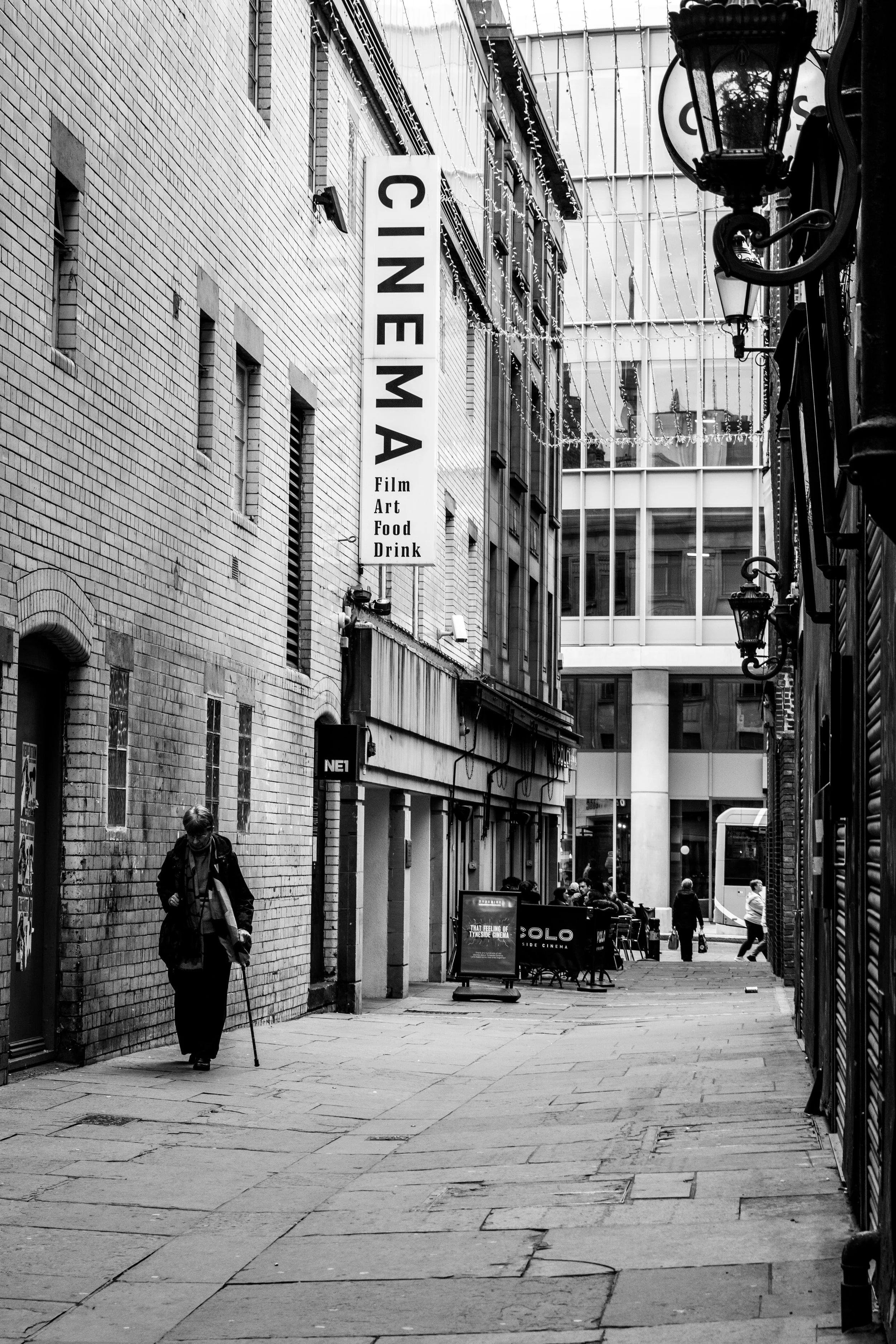
Final Thoughts: Street Photography Law UK 2026
To summarise:
Street photography is legal in the UK
You can photograph people in public spaces
Model releases are required for advertising use
GDPR rarely applies to artistic photography
Ethics matter just as much as legality
If you’re researching UK photography rights in public places, understanding both the legal framework and ethical responsibilities will help you shoot confidently and professionally.
Street photography is a powerful storytelling tool — and when done with respect, it enriches both photographer and subject alike.