

The Soul of Glass: Why Your Modern Landscapes Might Need a Vintage Lens
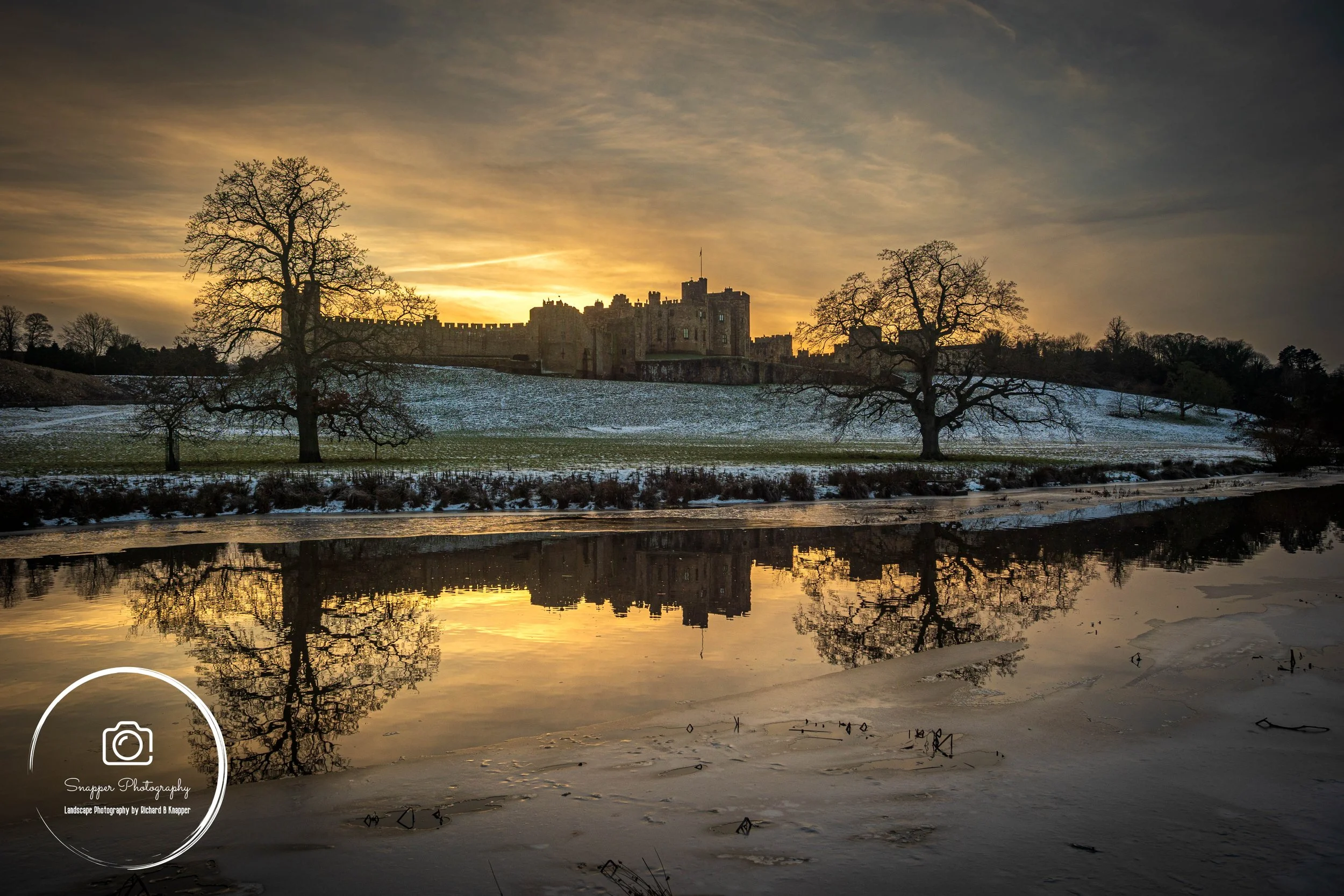
Alnwick Castle: Canon R6 with FD - EOS R adapter, Carl Zeiss Jenna 28-70mm at F11
Using Vintage Lenses on Mirrorless Cameras for Landscape Photography and Videography: Benefits and Pitfalls
Vintage lenses have become increasingly popular among photographers and filmmakers using modern mirrorless cameras. Thanks to short flange distances and affordable lens adapters, it’s now easier than ever to mount classic manual lenses onto digital camera bodies.
For landscape photography and videography, vintage lenses offer a unique aesthetic and a slower, more deliberate way of working. However, they also come with limitations that are important to understand before committing to them in the field.
This guide explores the benefits and pitfalls of using vintage lenses on mirrorless cameras, helping you decide whether they are the right choice for your landscape photography and filmmaking workflow.
Benefits of Using Vintage Lenses on Mirrorless Cameras
Unique Image Character and Rendering
One of the main reasons photographers choose vintage lenses is their distinctive character. Unlike modern lenses designed for maximum sharpness and contrast, vintage lenses often produce softer highlights, gentler contrast, and more organic colour rendering.
For landscape photography, this can result in images that feel timeless and atmospheric. In landscape videography, vintage lenses can help soften the digital look of modern sensors, creating a more cinematic and natural appearance.
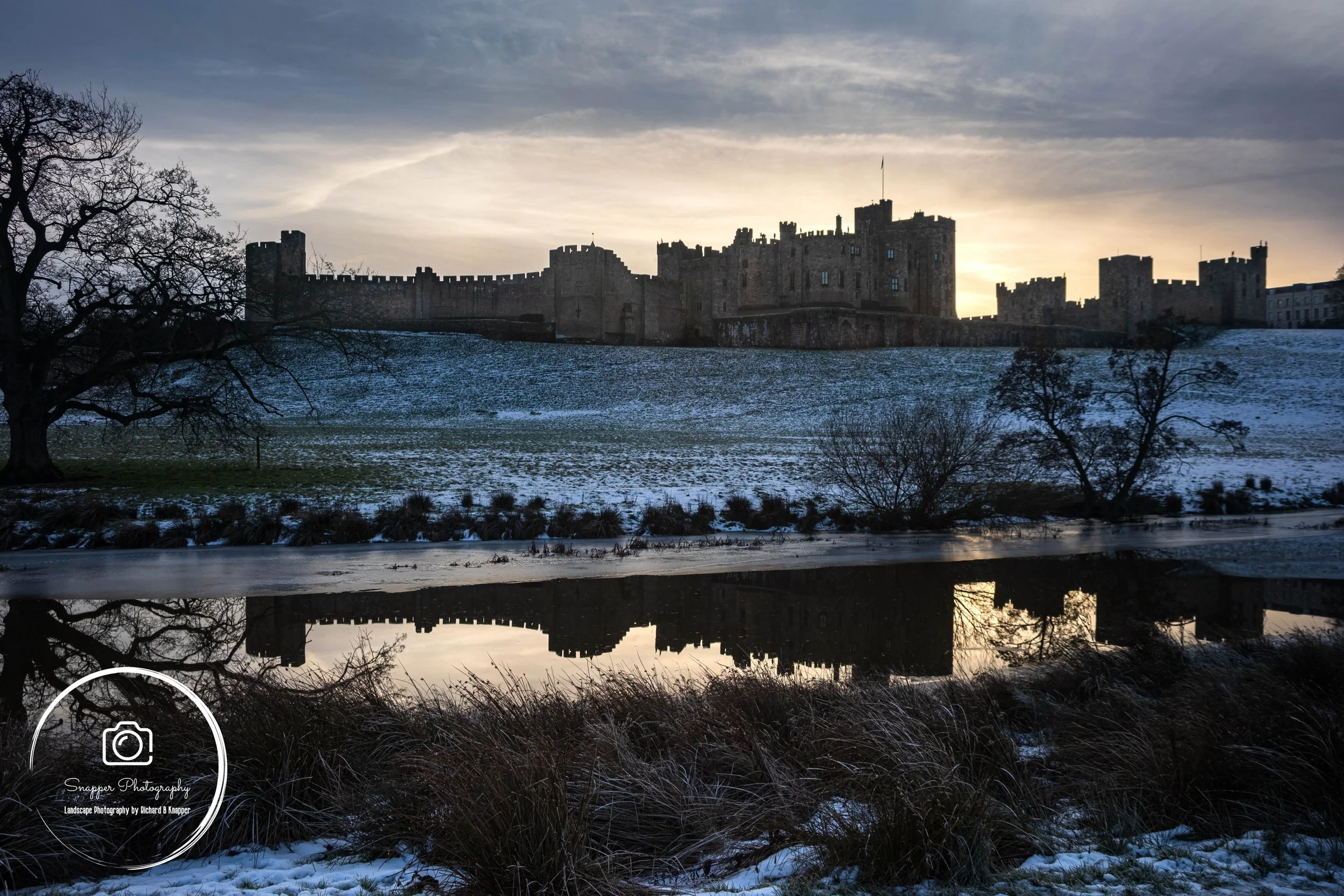
Alnwick Castle: Canon R6 with FD - EOS R adapter, Carl Zeiss Jenna 28-70mm at F11
Manual Focus Control for Precision
Vintage lenses are fully manual, which works particularly well with mirrorless cameras that offer focus peaking and magnification.
For landscape photography, manual focus allows precise control when focusing on distant subjects or setting hyperfocal distance. For videography, long focus throws and smooth focus rings make vintage lenses ideal for controlled focus pulls and subtle adjustments.
Solid Build Quality
Many vintage lenses were built with all-metal construction, making them durable and mechanically reliable. With fewer electronic components, they can remain usable for decades if properly maintained.
This robust build quality is appealing to landscape photographers who often work in challenging outdoor environments.
Affordable Alternative to Modern Lenses
Vintage lenses are generally far more affordable than modern mirrorless lenses. Classic lenses from brands such as Canon FD, Nikon AI, Pentax, Minolta, and Olympus can be purchased at relatively low prices.
For photographers and videographers experimenting with different focal lengths or visual styles, vintage lenses offer excellent value for money.
Encourages a Slower, Creative Workflow
Using vintage lenses encourages a deliberate and mindful approach to photography and filmmaking. Without autofocus or electronic aperture control, photographers must pay closer attention to composition, light, and timing.
For landscape work, this slower pace often leads to more intentional and thoughtful images.
Pitfalls of Using Vintage Lenses for Landscape Photography and Videography
Reduced Sharpness and Optical Performance
While vintage lenses offer character, they often fall short in terms of edge-to-edge sharpness, especially on high-resolution mirrorless sensors. Chromatic aberration, distortion, and softness when shooting wide open are common.
For large landscape prints or commercial work where detail is critical, this can be a significant drawback.
Flare and Contrast Issues
Older lens coatings are less effective than modern multi-coatings. Shooting into the sun — a frequent scenario in landscape photography — can result in excessive flare and loss of contrast.
In videography, uncontrolled flare can be difficult to manage in changing lighting conditions and may affect shot consistency.
Lack of Weather Sealing
Most vintage lenses do not offer weather sealing, making them vulnerable to moisture, dust, and salt spray. Landscape photographers working in coastal, mountainous, or wet environments must take extra care when using vintage glass.
No Electronic Communication with the Camera
Vintage lenses lack electronic connections, meaning:
No autofocus
No electronic aperture control
No EXIF data recording
No in-lens image stabilisation
For videographers, the absence of lens metadata can complicate post-production workflows.
Age-Related Wear and Sample Variation
Because vintage lenses are often decades old, condition varies widely. Common issues include haze, fungus, stiff focus rings, oily aperture blades, and misaligned elements.
Careful inspection is essential when buying vintage lenses, and performance can vary significantly even between identical models.
Are Vintage Lenses Good for Landscape Photography and Videography?
Vintage lenses can be an excellent choice for landscape photographers and filmmakers who prioritise mood, storytelling, and creative expression over technical perfection. They work particularly well for slow, intentional shooting styles and cinematic video projects.
However, for situations requiring fast operation, weather resistance, maximum sharpness, and reliability, modern mirrorless lenses remain the better option.
Final Thoughts
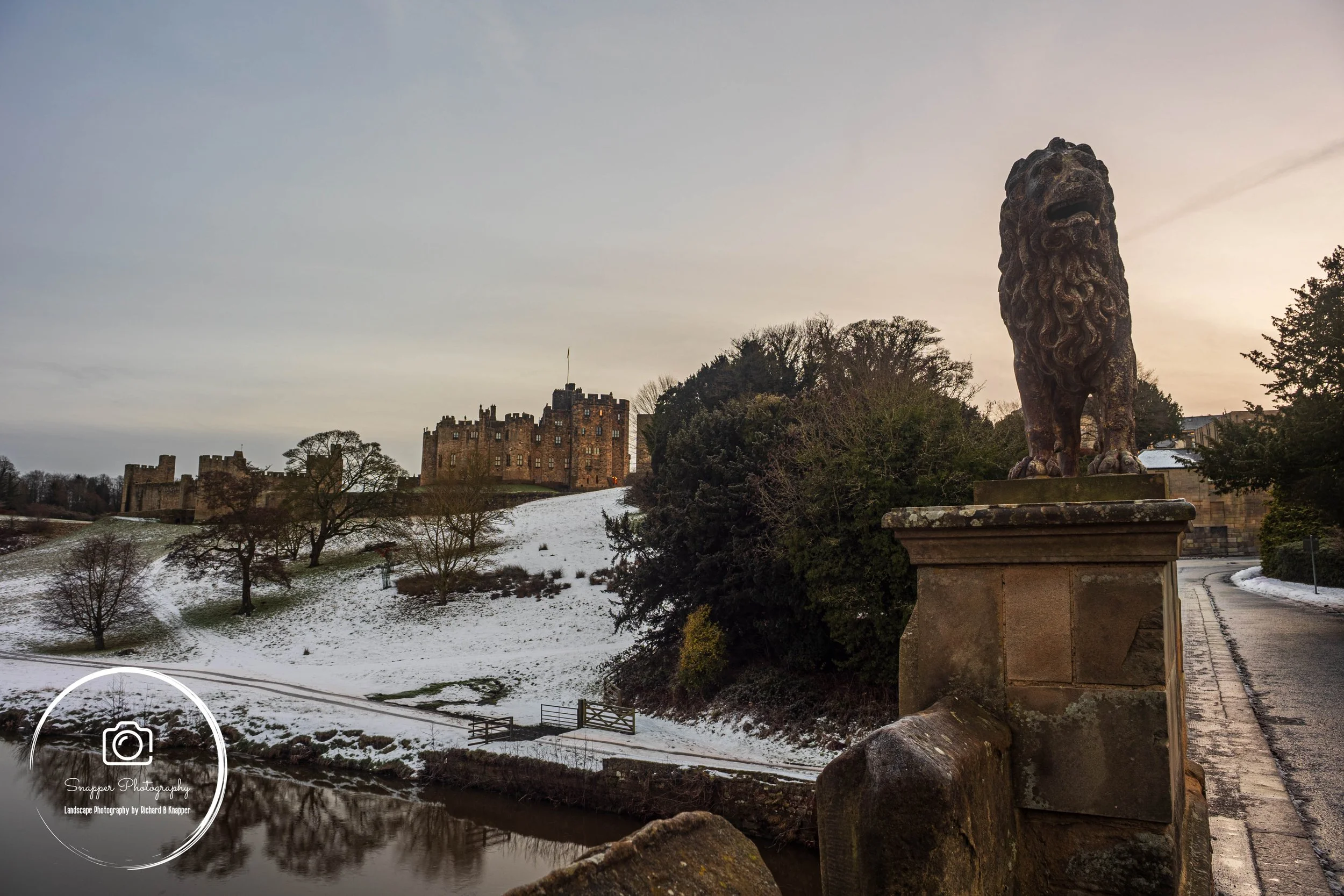
Alnwick Lion and Castle: Canon R6 with Sigma 24mm Super-Wide II FD mount at f11
Using vintage lenses on mirrorless cameras for landscape photography and videography is about embracing imperfection and creative intent. While they may lack the technical advantages of modern lenses, vintage lenses can produce images and footage with character, atmosphere, and emotional depth.
Understanding both the benefits and pitfalls allows photographers and filmmakers to choose the right tools for their creative vision — and, in many cases, vintage lenses can be a powerful addition to a modern mirrorless kit.